

















































































































































































































































































































![International Collaboration in Health Research: Evaluating a Systematic Review on [Country's Name] by Non-native Authors](/media/djmediatools/cache/images/x723x274-crop-90-ikdaf2cd3qtv1rkqp1sj6ccnzuavwc6srudo0nxz_1.png.pagespeed.ic.HW7uSdT1rb.png)

































































































































































































































































































![International Collaboration in Health Research: Evaluating a Systematic Review on [Country's Name] by Non-native Authors](/media/djmediatools/cache/images/x119x130-crop-90-ikdaf2cd3qtv1rkqp1sj6ccnzuavwc6srudo0nxz_1.png.pagespeed.ic.wrYLO_DTxU.jpg)

































































































































































































































Embarking on a successful research journey demands meticulous planning and flawless execution. Amidst the myriad of factors contributing to research triumph, the selection of the optimal research methodology stands out as a pivotal and often perplexing decision. Given that your research dictates the avenues you explore, choosing the right methodology to underpin your work becomes paramount for effective data collection.

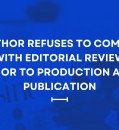
The editorial team of our journal has encountered a recurring challenge wherein authors withdraw their manuscripts upon receiving a payment request. This action is perceived as irresponsible, particularly when significant efforts have been invested by editors and reviewers during the publication process. Notably, our journal follows a practice of requesting payment details after a manuscript has been accepted for publication, with the fees policy clearly outlined on our website. Authors are also required to confirm their familiarity with journal policies before submitting a manuscript.
Read more: Addressing Ethical Dilemmas: Authors Withdrawing Manuscripts upon Payment Request

Journal A recently received a submission that presents a systematic review and meta-analysis focusing on a health problem specific to [Country's Name]. Notably, the four authors involved in the study are not residents of [Country's Name], and they lack any professional affiliations with institutions or researchers in the country. Additionally, the review relies solely on published references, omitting primary data collection and analyses.

At first glance, the status of a «lead author» would seem to be fairly straightforward. If most of the work of a particular study is done by only one researcher then his name should come first in the citation. However, unless an agreement is reached among all authors defining what «the most work» means, misunderstandings will inevitably ensue and could lead to a conflict of interest. This situation can quickly deteriorate further to even academic misconduct if the list of authors doesn’t accurately reflect the extent of involvement for each author.
Read more: Navigating Authorship Roles in Research: Lead Author vs. Co-Author

A serious case of suspected data fabrication has emerged after the editor of a journal received correspondence from a third party regarding a published paper by four co-authors. The concern was raised due to the observation that all error bars in three separate figures were identical. Further investigation by the third party, involving the statistical appraisal of 32 publications from the same author group, revealed suspicions in 21 papers (66%), in stark contrast to a control sample from other institutions publishing in the same journals.
Read more: Allegations of Systematic Data Fabrication Unfold: Journal Takes Action

In a cautionary tale of unwittingly engaging with a predatory journal, an author shares their struggle to withdraw a manuscript after falling victim to deceptive practices. Despite facing challenges in communication and an unresponsive editorial board, the author successfully navigated the ordeal, shedding light on the importance of due diligence in scholarly publishing.
Read more: Author Escapes Predatory Journal's Clutches: A Lesson in Vigilance

In a peculiar and unfortunate turn of events, authors face a challenging situation where a predatory journal has published their paper without consent. The authors, now pursuing legal action against the predatory journal, find themselves in a unique predicament as they seek publication in a legitimate journal.
Read more: Authors Navigate Unprecedented Dilemma: Predatory Journal's Unauthorized Publication
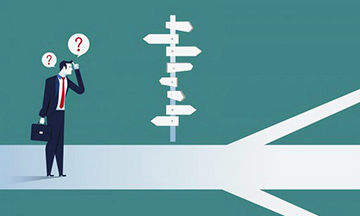
In a significant move to uphold the integrity of scientific information, our journal has chosen to rescind the acceptance of a paper recently found unsuitable for publication due to concerns about the authors' dissemination of misinformation related to COVID-19 treatment. The decision to publish the manuscript had been made, but recent developments have prompted a reevaluation of the paper's suitability.
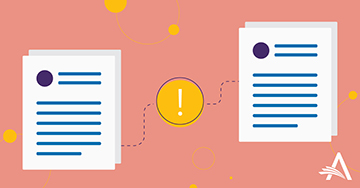
In response to the ethical concerns raised by the authors' failure to disclose financial support from the tobacco industry and subsequent evidence of more serious allegations, the Editorial Board has taken decisive steps to uphold integrity and transparency in scholarly publishing.
Read more: Ensuring Transparency and Addressing Research Misconduct