


For over a year and a half, Hollywood's actors union, SAG-AFTRA, has been negotiating with video game companies to secure a new contract for performers who bring video game characters to life. While progress has been made on wages and job safety, talks have stalled over a crucial issue: protections against the use of artificial intelligence (AI).
"It is the major obstacle to having an agreement, and this contract area has been for quite some time," said Duncan Crabtree-Ireland, SAG-AFTRA's executive director. The union is seeking robust protections to prevent AI from displacing actors by replicating their voices or creating digital replicas without consent.
Concerns Over AI Displacing Human Performers
Voice actors and other video game performers fear that AI could replace them by using their recordings to train AI models that can replicate their voices or create digital likenesses. Often, AI is used subtly, such as cleaning up recordings or altering a character's voice to fit different stages of their virtual life.
"Our concern is the idea that all of this work translates into grist for the mill that displaces us," said Sarah Elmaleh, chair of the interactive negotiating committee. Actors worry that AI could eliminate the need to call them back for new work, using their existing material to create new content without their knowledge or consent.
Strike Authorization and the Path Forward
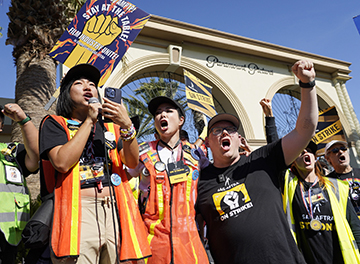
SAG-AFTRA members have authorized their leadership to call a strike if necessary. While union leaders hope to avoid this, they are prepared to take action to ensure fair treatment for their members. "Anyone who thinks that we're afraid to go on strike, or that we won't go on strike, clearly hasn't been paying attention," said Crabtree-Ireland.
The last interactive contract, negotiated in 2017, did not address AI protections. The current agreement covers more than 2,500 off-camera performers, including voiceover artists, motion capture actors, and stunt performers. However, video game companies are only willing to extend AI protections to voice actors, excluding other performers.
Industry Negotiations and Side Deals
The bargaining group of top video game producers, including companies like Activision, Disney, and Electronic Arts, claims to be negotiating in good faith and has made significant progress. "We have reached tentative agreements on the vast majority of proposals and remain optimistic that we can reach a deal soon," said Audrey Cooling, a spokesperson for the companies.
Amid these negotiations, SAG-AFTRA has created a separate contract for indie and lower-budget video game projects, incorporating some AI protections that larger companies have rejected. The union also struck a deal with AI voice company Replica Studios, allowing actors to create and license digital replicas of their voices while retaining the right to opt out of perpetual use.
The Ethical Implications of AI in Voice Acting
Tim Friedlander, president of the National Association of Voice Actors, emphasizes the need for contract protections to give performers control over their work. Without current technology to monitor the use of their audio files, actors risk having their recordings used to train AI models without their consent. This can lead to ethical conflicts, especially if a synthetic voice is used in ways the original actor might not support.
"If my voice is out there... doing something that I wouldn't say, now I'm potentially in conflict with myself. Now I'm losing work to my own voice," said Friedlander.
As negotiations continue, the outcome will determine how AI technologies will be regulated to protect the rights and livelihoods of video game performers in the evolving digital landscape.
More: https://techxplore.com/news/2024-06-hollywood-video-game-actors-ai.html
