

A recent study led by Tanya Koohpayeh Araghi from the Interdisciplinary Internet Institute (IN3) of the Universitat Oberta de Catalunya (UOC) has introduced a groundbreaking tool to safeguard digital data. This tool employs advanced digital watermarking techniques to protect information securely and cost-effectively, with significant applications ranging from medical images to combating fake news.
Enhancing Medical Image Security
The study, published in Multimedia Tools and Applications, focuses on securing medical images such as X-rays, CT scans, and MRIs through digital watermarking. This involves embedding an imperceptible digital watermark and a digital signature within the files. The innovative method combines two mathematical techniques—discrete wavelet transform (DWT) and singular value decomposition (SVD)—and explores the impact of a deeper SVD level, akin to a second decomposition. This approach enhances the watermarks' resistance to filtering, digital signal processing, and geometric attacks.
"Our research is centered on developing improved digital watermarking techniques," explained Koohpayeh, a researcher with the K-ryptography and Information Security for Open Networks (KISON) group. "These techniques not only enhance imperceptibility and robustness but also reduce computational burden, making them more efficient and accessible."
Protecting Data Integrity and Authenticity
The study's findings are particularly relevant for the medical field, where data transferred over the internet is vulnerable to attacks. Ensuring the accuracy and confidentiality of medical images is crucial. "Digital watermarks need to be embedded in all types of medical images to guarantee the authenticity and integrity of health data," said Koohpayeh.
Applications Beyond Healthcare
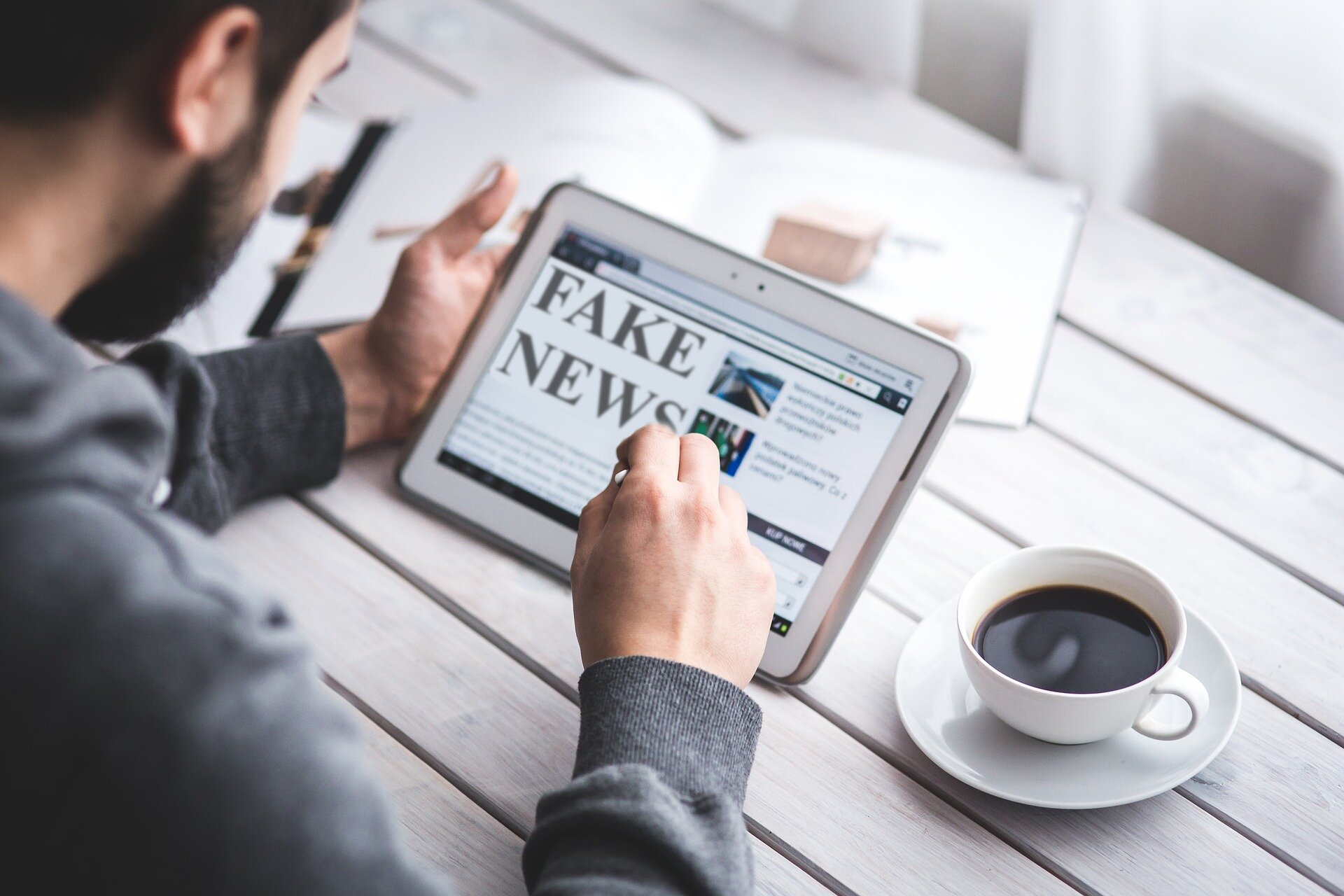
The potential applications of digital watermarking extend beyond medical images. This technology can protect devices connected to the Internet of Things (IoT), secure cryptocurrency transactions, and prevent the spread of fake news. Koohpayeh and her team are focusing on using these techniques to trace the origins of fake news, identify legitimate information, and detect manipulation.
Combatting Misinformation
"It's important for the public to understand the risks of fake news, as even slight manipulations in images or videos can significantly impact public perception and decision-making," noted Koohpayeh. Her team's research aims to provide tools for verifying digital content's authenticity and tracing manipulations to their sources. They are also exploring the use of blockchain and artificial intelligence to detect subtle fakes.
Raising Public Awareness
At a time when deepfakes and other deceptive content are rampant, Koohpayeh emphasizes the need for public awareness about digital vulnerabilities. "It's crucial for people to understand the risks of sharing images online and to take steps to protect their information. By recognizing the importance of verifying digital content's authenticity, we can collectively combat misinformation and protect the integrity of online information."
Digital watermarking remains a primary focus for Koohpayeh's team, offering a versatile solution by embedding imperceptible information without significant computational demands. Robust watermarks can identify content origins, while fragile and semi-fragile watermarks can detect tampering. This technology is essential for maintaining data integrity in an increasingly digital world.
More: https://techxplore.com/news/2024-06-digital-watermarking-fraud-medical-images.html