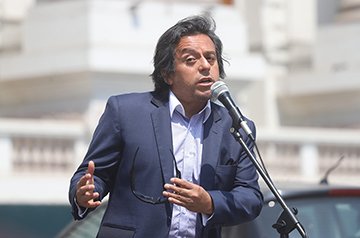
In a significant move to safeguard the integrity of scientific research, Peru is on the verge of approving legislation aimed at combating fraudulent publishing practices, including the illicit purchase of authorship on scientific papers. The initiative, driven by neurobiologist and Congress member Edward Málaga Trillo, seeks to empower universities and government officials to investigate and penalize researchers engaging in such misconduct.
The push for stringent measures comes in the wake of Peru's national science agency's efforts to tackle authorship buying and other unethical behaviors. Recent actions by the agency include the removal of two scientists from a crucial national registry, impacting their eligibility for government grants, job promotions, and salary bonuses. A broader investigation, spurred by media reports in October identifying 180 individuals allegedly involved in publishing fraud, is underway, targeting 72 researchers listed on the national registry affiliated with 14 universities in Peru.
The proposed legislation, set to establish some of Latin America's most robust measures against publishing fraud, aims to address the perverse incentives created by a 2014 law that rewards researchers based on publishing output. Journalists revealed in October that some researchers were paying authorship brokers to add their names to papers, leading to concerns about the credibility of scientific contributions.
The legislation defines fraud to include plagiarism, fabrication, or falsification of information in academic products related to scientific research. If approved, researchers found guilty of lesser violations could face suspension from the national registry for 2 to 5 years, while those involved in more severe infractions could face permanent suspension and potential criminal charges with prison sentences.
Peru's national science agency, Concytec, has already taken action against individuals involved in fraudulent activities, with two researchers removed from the national registry for offenses such as appropriating the identity of other researchers. Concytec President Benjamín Marticorena Castillo warns that those engaged in such misconduct could be considered part of criminal organizations.
The legislation's supporters, including Alberto Gago, President of the National Academy of Sciences of Peru, anticipate that these measures will embolden the scientific community to socially sanction and report colleagues deviating from ethical norms. The goal is to foster a stronger scientific community that isolates and prevents fraudulent practices, ensuring the credibility and integrity of Peru's scientific endeavors.
More: https://www.science.org/content/article/peru-moves-crack-down-scientific-fraudsters