

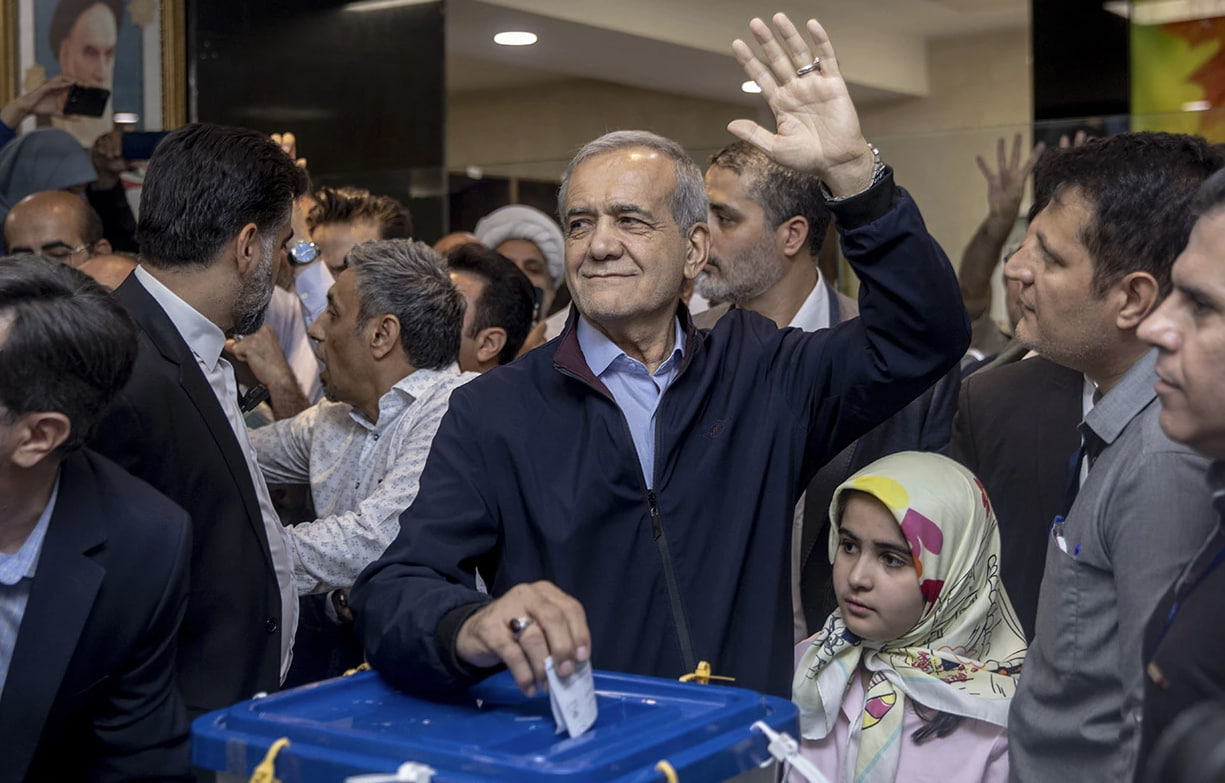
Iran has elected Masoud Pezeshkian, a former heart surgeon, as its new president. Scientists are optimistic that Pezeshkian, who previously led the nation's health ministry, will revitalize universities and reconnect isolated Iranian scientists with their international counterparts. His presidency is expected to bring improvements in human rights, investment in science, greater academic freedom, and a potential revival of nuclear program talks.
A Promising Advocate for Science
Moneef Zou’bi, former director-general of the Islamic World Academy of Sciences, expresses optimism about Pezeshkian's potential impact: "He is a son of the higher-education system of Iran and likely to be a good advocate of science." Pezeshkian's history as a heart surgeon and former president of Tabriz University of Medical Sciences, along with his tenure as health minister under a previous reformist administration, bolsters this hope.
Challenges Ahead
However, lasting reform may be difficult given Iran's geopolitical climate and its theocratic government, headed by Supreme Leader Ali Khamenei. The government appoints university leaders and vets professors, presenting a barrier to sustained change.
Pezeshkian's election follows the death of former president Ebrahim Raisi in a helicopter crash in May and comes two years after nationwide protests led by the Woman, Life, Freedom movement, sparked by the death of Mahsa Amini in police custody.
Economic and Academic Reforms
Pezeshkian's platform includes revitalizing the economy and taking a softer line on political dissent among students and academics. He aims to restart international negotiations to relieve sanctions and revive the nuclear program talks. Hossein Akhani, a botany researcher at the University of Tehran, sees Pezeshkian's election as a hopeful first step towards change, given Iran's dire economic conditions and high inflation.
Potential for International Collaboration
Ali Gorji, a neuroscientist at the University of Münster, believes Pezeshkian's background could lead to increased scientific funding and international collaborations. Pezeshkian's commitment to academic freedom and the right to protest was emphasized in his election campaign, where he stated, "Protest is the right of students and employees. Protest is the university’s right. A society that does not protest is dead."
Skepticism and Sanctions
Despite the optimism, some remain skeptical. Cosmologist Encieh Erfani, who left Iran in protest of state violence, doubts that meaningful reforms will occur under the current regime. The ongoing international sanctions present another challenge, hindering research collaborations and access to scientific resources. Pezeshkian's promise to restart nuclear talks is seen as a potential avenue for lifting these sanctions, but Matthew Bunn of Harvard University cautions that rebuilding trust and reaching a sustainable agreement will be challenging.
Pezeshkian's presidency brings a mix of hope and uncertainty. While there is optimism for scientific and academic progress, significant obstacles remain in achieving lasting reform and international cooperation.