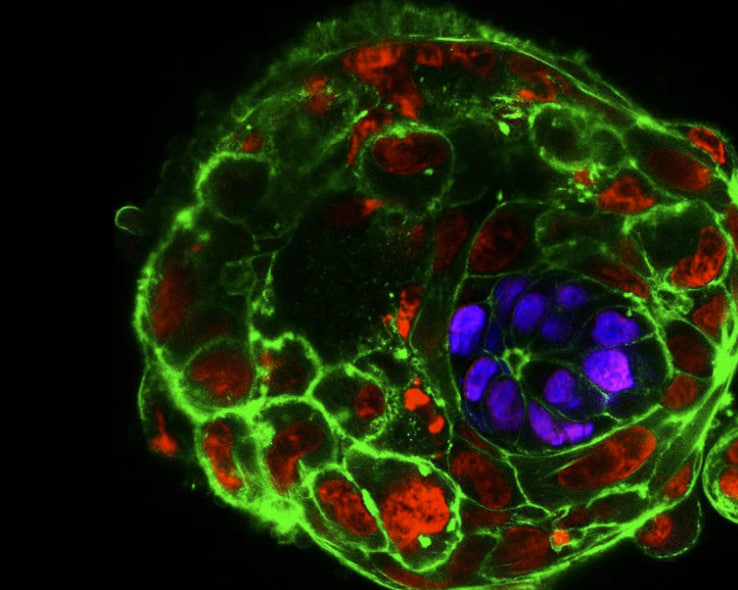
The United Kingdom has introduced its first guidelines for research using human embryo models, providing much-needed clarity in this rapidly advancing field. The voluntary code of practice, released today, prohibits the implantation of embryo models made from human stem cells into the uterus of a living person or animal. However, it does not set strict time limits on how long these models can be grown in the lab. Instead, researchers must propose their own time limits based on the minimum duration needed to achieve their scientific objectives, with an oversight committee reviewing and approving projects.
Filling a Regulatory Gap
While human embryo research is tightly regulated in the UK and many other countries, specific rules for lab-grown embryo models have been lacking. This new code, developed by the University of Cambridge, the Progress Educational Trust (PET), and a team of researchers, aims to fill this governance gap and address ethical concerns.
"The UK has a history of swiftly establishing national rules on human embryo research and reproductive medicine, often through public consultations," says Misao Fujita, a bioethicist at Kyoto University in Japan. "The world is paying close attention to developments in the UK."
Rapid Advancements in Research
Research into stem-cell-based embryo models has surged in the past five years. These models replicate various aspects of early embryonic development and could offer insights into infertility and pregnancy loss. They are particularly attractive to researchers as they bypass many legal and ethical restrictions associated with real human embryos and can be produced in large quantities.
However, as these models have advanced, they have also raised new ethical questions. The UK code will help researchers navigate these issues within their jurisdiction. "It provides a clear understanding of the process," says Amander Clark, president of the International Society for Stem Cell Research (ISSCR).
Community Reaction and Implementation
Although the UK code is not legally binding, Sandy Starr, deputy director of PET, expressed confidence that it would be widely adopted by the research community, including funders, publishers, and regulators. He noted that those who do not comply may find it challenging to publish in reputable journals, secure funding, or gain peer approval.
The guidelines were reviewed by over 50 researchers from around the world, including experts from Israel, Japan, and Australia. Jacob Hanna, a stem-cell biologist at the Weizmann Institute of Science in Israel, praised the code for its inclusive approach and careful consideration of future developments.
Oversight and Ethical Concerns
The code recommends that an oversight committee review all research proposals using stem-cell-based embryo models, ensuring they adhere to principles such as justified scientific objectives, appropriate donor consent, and clear research benefits. The code also specifies how models should be terminated, using methods like flash-freezing or chemical fixation.
However, some experts, like Søren Holm, a bioethicist at the University of Manchester, caution that the code's flexibility might lead to concerns about prioritizing scientific progress over ethical considerations. Holm warns that the lack of hard limits on culture time or the emergence of advanced neural features in models could make the code appear weak to some. If the oversight committee is perceived as biased or lacking expertise, it could hinder the code's adoption.
Nicolas Rivron, a developmental biologist who reviewed the code, agrees that setting time limits could reassure the public. Agencies in France and the Netherlands, for example, have proposed limiting the culture of certain embryo models to 28 days post-fertilization.