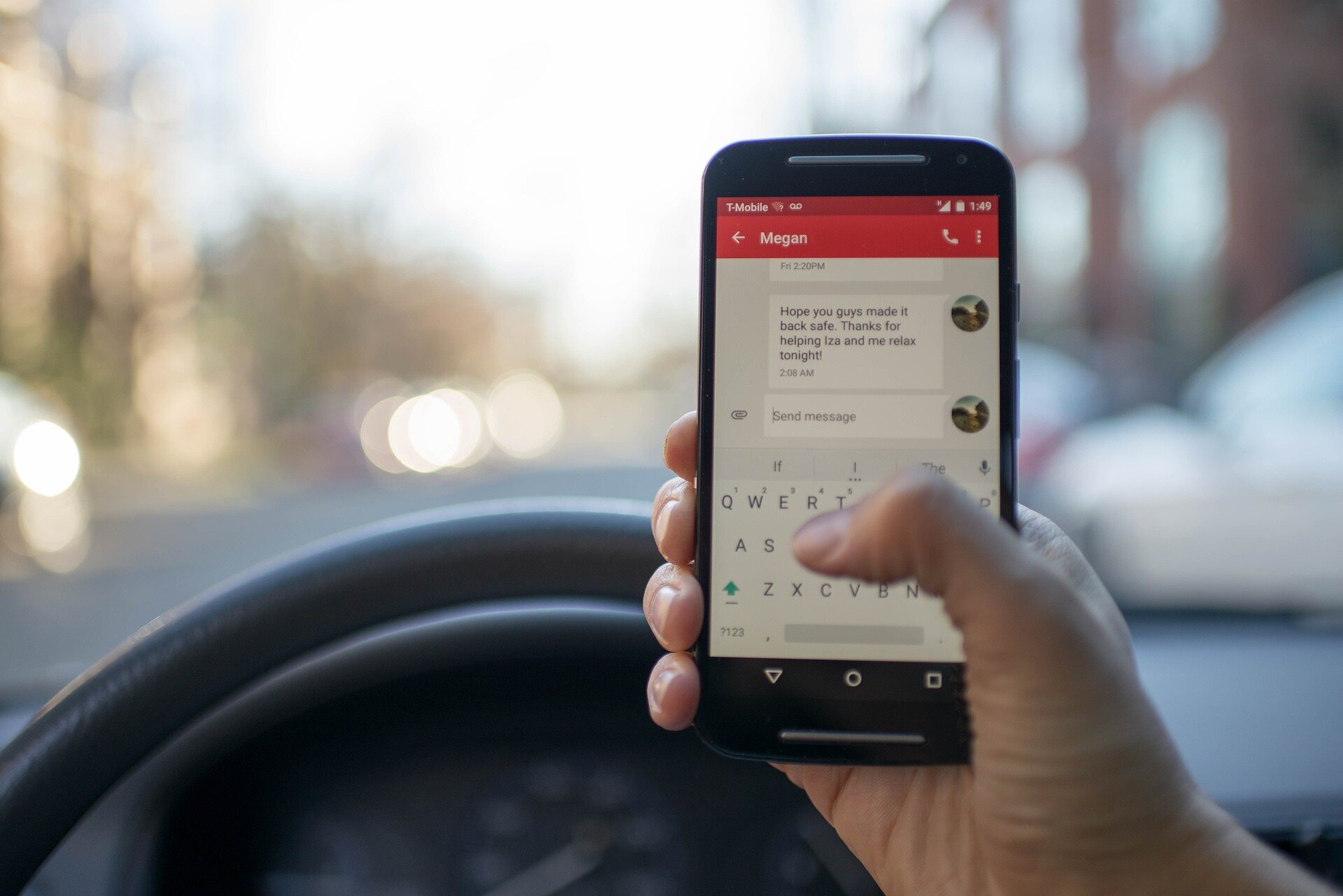
Do you use your cellphone while driving, even in hands-free mode? You're not alone—nearly 60% of drivers admit to doing so. However, despite the widespread acceptance of hands-free technology, it's crucial to recognize that using your phone while driving, even in this mode, poses significant risks.
Fatal crashes caused by driver distraction have remained largely unchanged over time, comprising 14% of fatal crashes in 2017 and 13% in 2021. These figures, based on police reports, likely underestimate the true extent of distraction-related crashes. For instance, data from teen drivers suggest that an alarming 58% of crashes are due to driver distraction.
As a human factors engineer studying driver interaction with technology, I see a glaring disparity between what people are told and what they should do regarding cellphone use behind the wheel.
Hands-Free Calling: While most states prohibit handheld cellphone use while driving, they permit hands-free devices. However, engaging in hands-free phone conversations while driving is still multitasking, a task at which humans inherently struggle. This distraction compromises hazard awareness and increases the likelihood of near-miss incidents and delayed braking reactions.
Moreover, the cognitive effects of hands-free calling persist even after ending the call, resulting in a "hangover effect" where mental distraction can endure for nearly 27 seconds. At highway speeds, this translates to covering nearly half a mile without full cognitive engagement.
Third-Party Apps and Driving Automation: Third-party apps like Apple CarPlay and Android Auto, designed to integrate smartphones with car interfaces, ostensibly offer hands-free functionality for tasks such as music control, navigation, and messaging. However, despite their convenience, these apps inadvertently divert attention from the road, leading to prolonged periods of inattention and compromised reaction times.
Similarly, driving automation systems like Cadillac Super Cruise and Tesla Autopilot, while enhancing safety in certain scenarios, still require driver attention. Research indicates that drivers utilizing Level 2 automation are more prone to divert their gaze from the road, underscoring the persistent risk of distraction even with advanced technology.
Distracted Driving Awareness: April marks Distracted Driving Awareness Month, highlighting the ongoing threat posed by distracted driving in all its forms. Despite technological advancements, cellphone use behind the wheel remains a pervasive challenge.
To address this issue, a multifaceted approach is needed, encompassing cultural shifts, robust education, and targeted awareness campaigns. Initiatives like the "Put the Phone Away or Pay" campaign launched by the National Highway Traffic Safety Administration serve as vital reminders of the imperative to combat distracted driving and safeguard road safety.
More: https://techxplore.com/news/2024-04-free-apps-dangerously-distracted.html