In a groundbreaking development, the revolutionary messenger RNA (mRNA) technology, renowned for its role in successful COVID-19 vaccines, is demonstrating potential in combating a rare yet perilous metabolic disorder. Today, in a report published in Nature, researchers unveil promising results indicating that regular infusions of mRNA coding for a crucial missing enzyme may significantly reduce the occurrence of life-threatening medical crises in individuals afflicted with propionic acidemia—a condition characterized by the accumulation of toxic compounds in the body, leading to organ damage.
The findings, spearheaded by Moderna, mark the inaugural clinical evidence showcasing the efficacy of mRNA as a therapeutic agent capable of replenishing deficient proteins within the body. While the data hint at improved patient health, they are met with considerable optimism, according to metabolic disease specialist Gerard Vockley of the University of Pittsburgh, a key figure in the trial's design.
While mRNA vaccines for COVID-19 garnered acclaim and earned accolades such as the Nobel Prize, Moderna and its counterparts harbor broader aspirations for this transformative technology. Moderna, for instance, is exploring the application of mRNA to target tumor proteins, effectively creating a cancer vaccine. Concurrently, other firms report success in utilizing mRNA to deliver CRISPR gene-editing tools into patients' cells to rectify problematic genetic mutations. Long before the onset of the pandemic, Moderna set its sights on leveraging mRNA to address conditions stemming from genetic aberrations that result in deficient or faulty proteins.
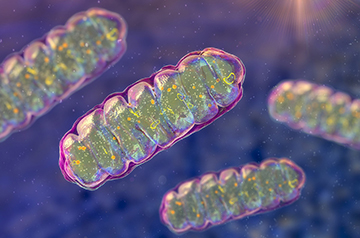
Propionic acidemia, one such malady, arises from mutations in genes responsible for encoding enzyme subunits crucial for mitochondrial function. Dysfunction of these enzymes in the liver leads to the accumulation of toxic substances in the bloodstream, culminating in severe complications such as coma, seizures, and cardiovascular issues. While dietary interventions mitigate some symptoms, they fail to comprehensively address the underlying pathology.
Conventional treatment modalities, such as liver transplantation, pose significant risks and necessitate lifelong immunosuppressive therapy. Moderna's innovative approach involves intravenous infusions of lipid nanoparticles carrying mRNA encoding the missing enzyme's components, facilitating their assembly within liver cells. Although associated with side effects such as nausea and fever, the treatment demonstrates remarkable persistence, with participants receiving continued care for up to two years.
Encouragingly, individuals experiencing life-threatening emergencies related to the disease witnessed a substantial reduction in occurrences following treatment initiation. This promising trend, coupled with a decline in disease-associated metabolites, hints at the liver's ability to synthesize the requisite enzyme components, as noted by clinical geneticist Dwight Koeberl of Duke University, the paper's lead author.
While the study underscores the potential of mRNA therapy in addressing rare metabolic disorders, some experts advocate for a more detailed characterization of participant mutations to elucidate treatment efficacy further. Despite these nuances, the trial's findings offer a beacon of hope for patients grappling with propionic acidemia, providing a potential bridge to liver transplantation or gene therapy.
Moreover, the study dispels concerns regarding the long-term safety and efficacy of mRNA-containing lipid nanoparticles, paving the way for future therapeutic innovations. According to pharmaceutical scientist Gaurav Sahay of Oregon State University, this milestone represents a significant stride forward for the field, heralding a new era of precision medicine.