


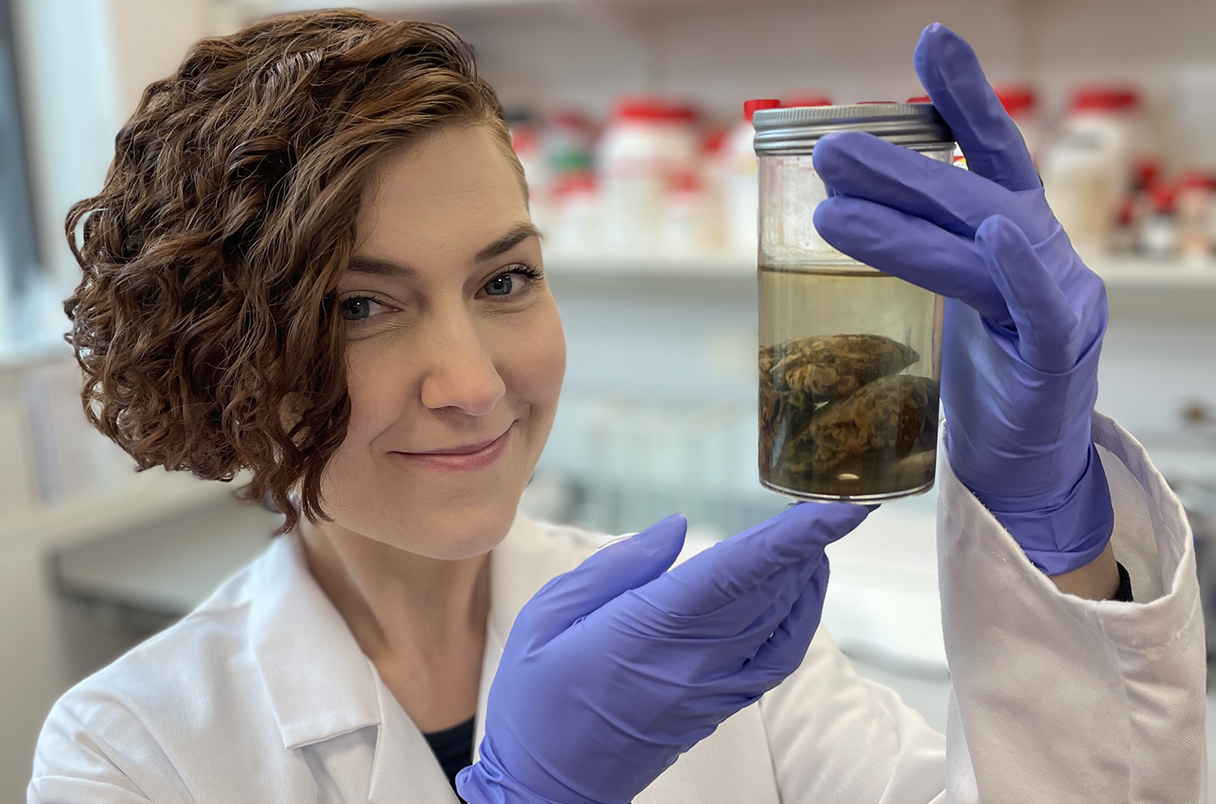
The discovery of intact brain tissue in ancient human skulls has long fascinated researchers, challenging conventional notions of decomposition and preservation. Recent findings shed light on the surprising resilience of brains throughout history.
In 1982, archaeologists excavating the Windover Archeological Site in Titusville, Florida, stumbled upon a remarkable find: 91 skulls containing intact brain tissue dating back 8000 years. This revelation defied expectations, as the brain is typically considered one of the body's most fragile organs, prone to rapid decay after death.
University of Oxford forensic anthropologist Alexandra Morton-Hayward, intrigued by this anomaly, embarked on a study to explore the preservation of human brains across millennia. To her astonishment, she uncovered over 4400 documented cases of preserved brains in archaeological records. These cases spanned diverse geographic locations and time periods, including a 12,000-year-old brain discovered alongside mammoth remains in Russia and a brain found in a severed skull on a Swedish lakeshore dating back to 6000 B.C.E.
Morton-Hayward's research, detailed in a paper published in the Proceedings of the Royal Society B, underscores the potential of ancient brains as a valuable source of historical information. Despite the brain's reputation for rapid decay, these preserved specimens offer insights into ancient anatomy, genetics, and lifestyles.
The study challenges assumptions about the fragility of brain tissue and highlights the need for further investigation into the mechanisms of preservation. As scientists delve deeper into the mysteries of ancient brains, they may uncover new revelations about human history and evolution.
The preservation of ancient brains serves as a testament to the resilience of human anatomy and the enduring quest to unlock the secrets of the past.
