


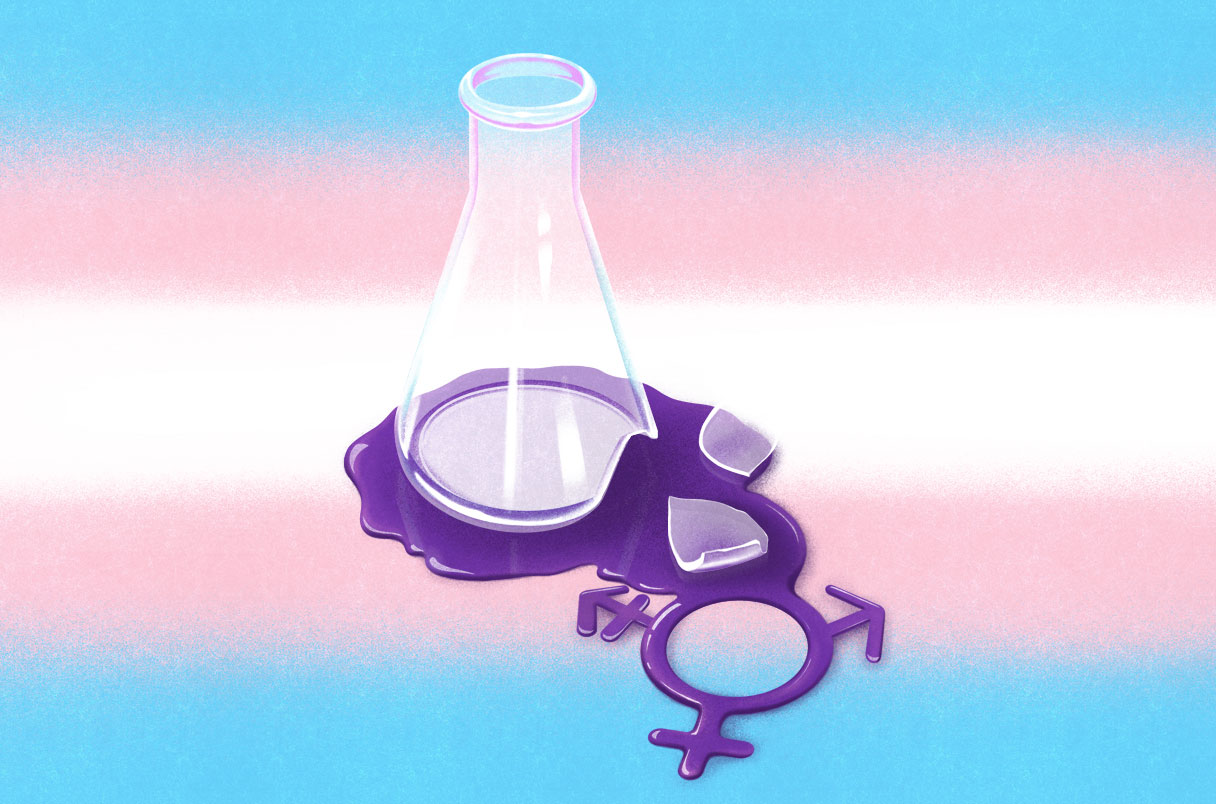
In a groundbreaking commentary published today in Cell, twenty-four scientists from diverse backgrounds, all identifying as trans or having trans family members, issue a powerful call to action to the scientific community. Highlighting the systemic barriers faced by sexual and gender minorities in science, the authors emphasize the urgent need for collective efforts to address these challenges.
Lead author Fátima Sancheznieto, a biomedical and social scientist at the University of Wisconsin-Madison, urges readers to confront any biases they may hold and approach the piece with an open mind. Emphasizing the spectrum of gender and sexuality, Sancheznieto contends that embracing diversity can enhance scientific creativity and precision.
The collaboration behind the commentary, according to author Jess McLaughlin, an evolutionary biologist at the University of Massachusetts Amherst, was a natural response to the limited representation of trans scientists in the field. The authors not only propose actionable steps for fostering inclusivity in science but also offer messages of solidarity and support for fellow trans researchers.
Amidst a backdrop of increasing challenges to trans rights and healthcare policies, particularly in the United States, the commentary serves as a beacon of advocacy and unity for the trans scientific community.
In an exclusive interview with Science, several authors discussed the unique obstacles faced by trans individuals in STEM fields. From safety concerns during fieldwork to difficulties with name recognition on publications, the conversation sheds light on the multifaceted challenges encountered by trans scientists.
Jess McLaughlin reflects on the pivotal career decisions influenced by concerns for personal safety, underscoring the unrealistic expectation for unrestricted mobility in pursuit of opportunities. Fátima Sancheznieto echoes these sentiments, highlighting the emotional toll of societal debates and legislative actions that threaten the lives of trans individuals.
The interview further reveals the profound impact of recent events, such as the tragic loss of Nex Benedict, highlighting the ongoing struggle for recognition and acceptance faced by the trans community.
Bittu Rajaraman, a behavioral ecologist and psychologist at Ashoka University, shares insights into the devastating toll of transphobia in India, emphasizing the urgent need for support networks and mentorship programs.
Despite the adversity, the authors are steadfast in their resolve to advocate for change. While acknowledging the challenges, they remain committed to fostering an inclusive scientific community that celebrates diversity and supports all its members.
