


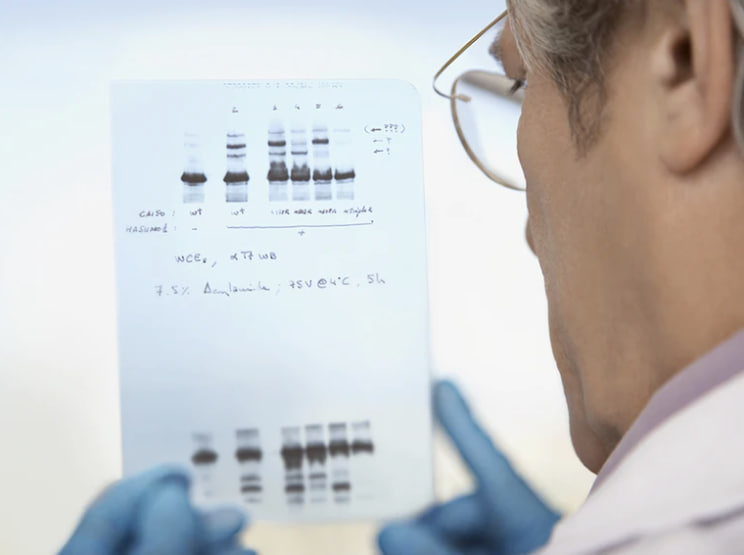
The scientific community is grappling with a growing wave of concerns surrounding image manipulation in research publications, prompting journals to adopt innovative strategies to safeguard the integrity of scientific literature. As instances of questionable imagery continue to surface, scientists and publishers are leveraging a combination of human expertise and cutting-edge technology to identify and address potential breaches of integrity.
Uncovering Image Anomalies: Scientist sleuths, armed with trained eyes and AI-based software, are scrutinizing research papers for signs of image duplication, alterations, or discrepancies that may indicate substandard record-keeping or intentional deception. Platforms like PubPeer serve as forums for raising concerns, facilitating the detection of problematic imagery in published works.
Institutional Response: In response to allegations of image manipulation, institutions such as the Dana-Farber Cancer Institute (DFCI) have taken decisive action, initiating retractions and corrections for papers authored by implicated researchers. The incident underscores the importance of swift corrective measures to uphold research integrity and maintain public trust.
Quantifying the Issue: While the precise prevalence of image-related concerns remains unclear, efforts to quantify the problem reveal a significant proportion of papers exhibiting problematic imagery. Studies indicate a rise in such incidents, fueled by advances in digital photography and increased publication pressure.
Journal Initiatives: To mitigate the publication of mishandled images, journals are implementing stringent pre-publication checks and requirements for authors to submit raw images alongside processed figures. AI-based tools like ImageTwin, ImaCheck, and Proofig are aiding publishers in identifying potential image manipulations, offering a systematic approach to ensuring image integrity.
Challenges and Future Directions: While AI systems expedite the detection of certain image issues, they may fall short in identifying complex manipulations or AI-generated fakery. Publishers acknowledge the evolving nature of image manipulation and emphasize the need for continuous vigilance and adaptation in response to emerging threats.
Looking Ahead: As scientific publishing evolves, sustained efforts to combat image manipulation will remain paramount. While current interventions yield promising results, ongoing advancements in technology and vigilance will be essential to safeguarding the credibility and integrity of scientific research in the face of evolving challenges.
