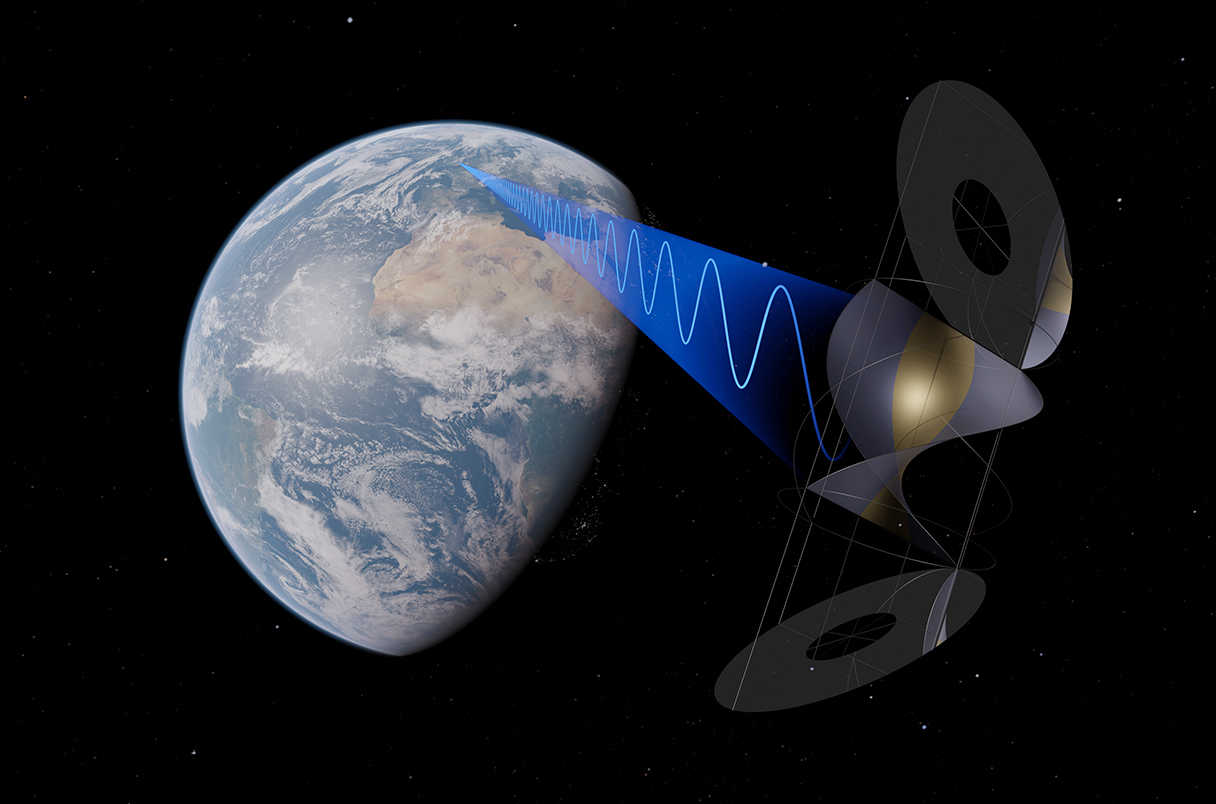
NASA's recent report has cast doubts on the feasibility of a groundbreaking approach to revolutionize energy generation—space-based solar power. While the agency suggests the technology may be viable by 2050, the projected costs range from 12 to 80 times more than traditional ground-based renewable energy sources. However, experts argue that NASA's analysis may be overly pessimistic, with some key assumptions deemed inaccurate or overly conservative.
Space-based solar power presents a tantalizing solution to energy challenges, offering uninterrupted solar energy collection in space and beaming it to Earth. With no atmospheric interference, these systems can operate 24/7, potentially rivaling the output of conventional power plants. Despite the appeal, the primary challenge lies in the considerable cost associated with launching materials into orbit.
Advancements in automated assembly, coupled with reductions in solar panel and rocket launch costs, have reignited interest in space-based solar power. NASA's analysis delves into the life cycle cost of a 2-gigawatt orbiting power station, exploring configurations involving steerable mirrors and flat panels for energy conversion. The report underscores the significance of SpaceX's Starship, a fully reusable rocket, to mitigate launch costs.
However, skepticism surrounds NASA's cost estimations, particularly regarding Starship's capabilities. While NASA cites $1000 per kilogram of payload carried by Starship, industry insiders suggest more optimistic figures, such as $200 per kilogram. Furthermore, critics argue that NASA's assumptions on launch frequency and fuel resupply may inflate costs artificially.
Despite NASA's cautious recommendation in light of the projected costs, various entities are forging ahead with space-based solar power initiatives. Recent milestones, including a space mission testing power transmission using microwave beams, highlight the industry's determination. The U.S. Air Force Research Laboratory, Japan's space agency, and the European Space Agency are among those planning tests and seeking funding for further developments.
In contrast to NASA's reservations, proponents assert that space-based solar power holds immense potential for achieving net-zero emissions, urging increased investment and research in this transformative energy frontier. The debate continues as industry players challenge the cost projections, emphasizing the need for innovative solutions to unlock the promise of space-based solar power.
More: https://www.science.org/content/article/nasa-too-down-space-based-solar-power