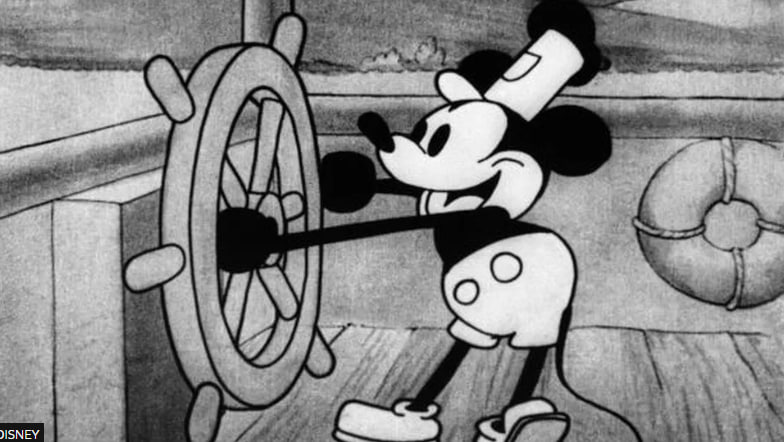
In a historic development, Disney's iconic duo, Mickey and Minnie Mouse, have officially entered the public domain in the United States as the copyright for their earliest versions, showcased in the 1928 short film "Steamboat Willie," expired on January 1, 2024. This significant milestone provides a unique opportunity for creatives, including cartoonists, to freely utilize and reimagine the earliest renditions of these beloved characters without the need for permission or cost.
The expiration of copyright allows for the legal sharing, performance, reuse, repurposing, and sampling of the early versions of Mickey and Minnie Mouse. Notably, this includes Steamboat Willie, a groundbreaking animation credited with transforming Disney's fortunes and leaving an indelible mark on cinema history.
However, Disney has clarified that more modern iterations of Mickey Mouse remain under copyright protection. The company emphasized its commitment to safeguarding rights in these contemporary versions, ensuring continued protection for the character in various forms, including merchandise, storytelling, theme park attractions, and animated shorts.
The expiration of copyright also extends to other cultural treasures from 1928, such as Charlie Chaplin's "The Circus," AA Milne's "The House at Pooh Corner," Virginia Woolf's "Orlando," and DH Lawrence's "Lady Chatterley's Lover," making these works accessible to the American public for legal sharing and adaptation.
This momentous occasion marks the end of Disney's prolonged efforts to extend copyright terms, colloquially referred to as the "Mickey Mouse Protection Act." The Duke Centre for the Study of the Public Domain acknowledges the symbolic importance of this milestone, allowing freedom to copy, share, and build upon the original cartoons that shaped Disney's early legacy.
While the public gains the right to utilize the early Mickey and Minnie Mouse versions, Disney still maintains a trademark on Mickey as a brand identifier and corporate mascot. This distinction limits certain commercial uses to prevent consumer confusion. Industry experts speculate on potential creative ventures, with cautionary reminders of trademark boundaries.
As Disney actively employs trademarked versions of Mickey in various media and merchandise, the company signals its intention to protect these characters while embracing the cultural significance of Mickey Mouse as a global ambassador for the Walt Disney Company. The expiration of Steamboat Willie's copyright signifies a new chapter in the creative exploration of these timeless characters while ensuring their enduring association with Disney.