


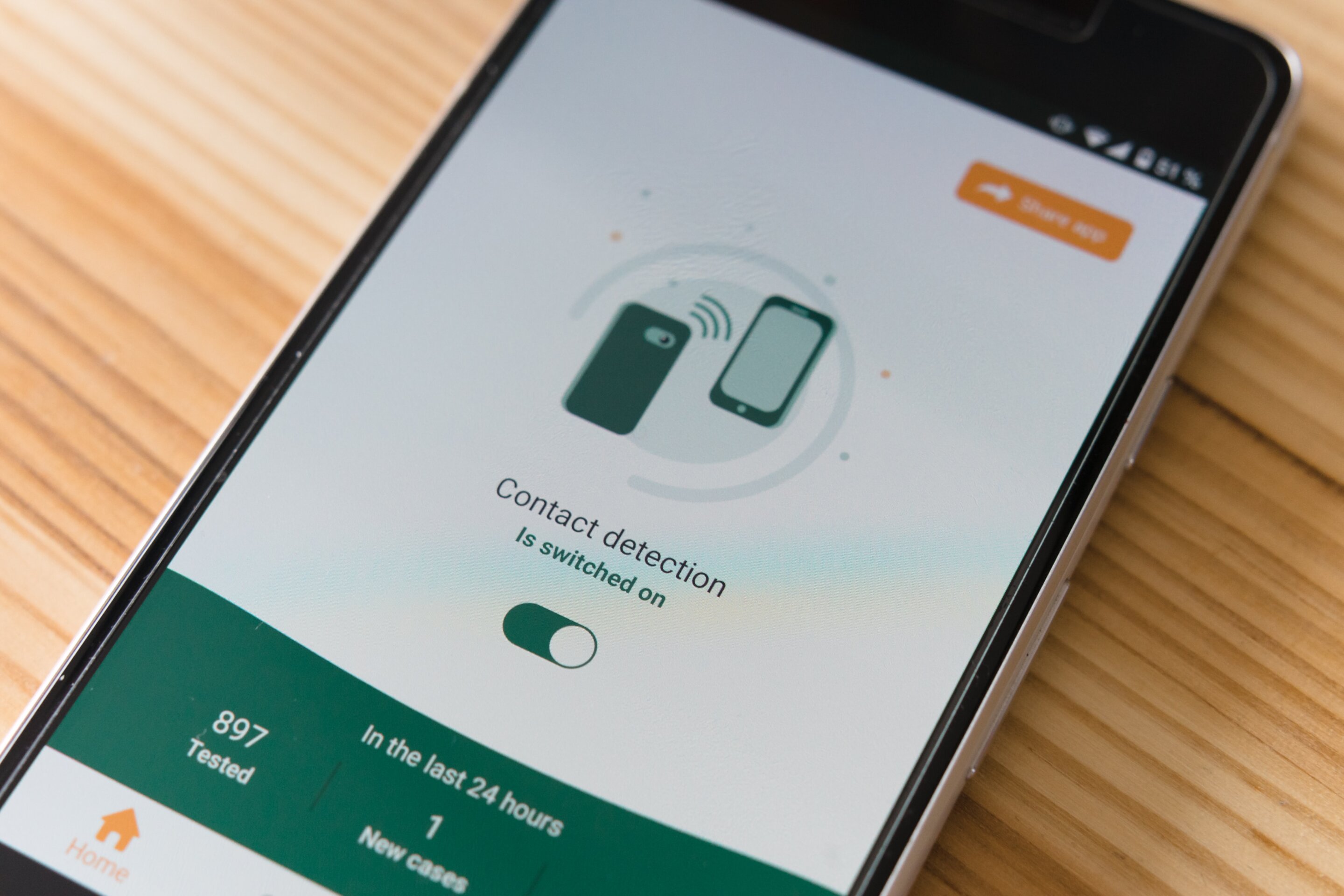
In a groundbreaking study published in Nature, researchers from the University of Oxford shed light on the dynamics of SARS-CoV-2 transmission by analyzing data from the NHS COVID-19 app in England and Wales. The study, titled "Digital measurement of SARS-CoV-2 transmission risk from 7 million contacts," provides valuable insights into the interplay of proximity and duration as key factors influencing infection risk.
The Oxford team examined a massive dataset of 7 million COVID-19 contacts recorded on the app between April 2021 and February 2022. The data encompassed 23 million hours of exposure and 240,000 reported positive tests. By evaluating proximity, duration, and infectiousness scores calculated by the app, researchers aimed to estimate transmission risk accurately.
Utilizing the privacy-preserving Exposure Notification framework, the app measured Bluetooth signal strength between smartphones to estimate proximity. Notably, proximity scores remained constant below 1 meter and decreased inversely above that threshold. Duration was evaluated in half-hour blocks, emphasizing the critical role of exposure time in transmission risk.
The study highlighted that exposure data leaned towards shorter, lower-risk public encounters. However, transmissions occurred across various risk levels, with durations spanning from one hour to several days. Household and recurring contacts, despite constituting a smaller percentage of app-recorded COVID-19 contacts, played a significant role in transmissions due to longer durations and closer proximity.
Crucially, the research identified that the duration of exposure emerged as the most critical factor in predicting transmission risk. Short exposures exhibited a linear growth in the probability of reported transmission, slowing after a few hours while infection likelihood continued to rise.
While acknowledging limitations such as potential sample bias and reliance on self-reported positive test results, the study validated the accuracy and epidemiological relevance of the app's risk score calculations. The findings establish a strong correlation between app-recorded measurements (proximity, duration) and the actual probability of reported transmissions, providing unprecedented insights into millions of interactions during the ongoing pandemic.
More: https://medicalxpress.com/news/2023-12-tracking-sars-cov-app-insights-proximity.html
