


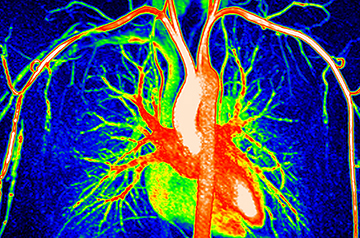
Scientists have pioneered a groundbreaking blood test capable of gauging the aging speed of individual organs, including the heart and brain. According to research published in Nature, when an organ ages significantly faster than a person's chronological age, the risk of diseases and mortality related to that specific organ surges.
The study, led by Tony Wyss-Coray from Stanford University, identified key proteins concentrated in 11 major organs, such as the heart, brain, kidneys, liver, and pancreas. Analyzing blood samples from over 1000 individuals, machine-learning algorithms generated unique protein signatures for various organs, providing a glimpse into their biological age.
In subsequent tests on over 5500 participants from previous medical studies, about one-fifth exhibited accelerated aging in at least one organ, while nearly 2% experienced advanced aging in two or more organs. Conditions like hypertension and diabetes were correlated with kidneys aging approximately one year beyond chronological age, while Alzheimer's disease showed signs of accelerated aging across multiple organs.
Remarkably, the study revealed that accelerated aging in specific organs forecasted a higher risk of death and various diseases over the following 15 years. For instance, an additional four years of heart age more than doubled the risk of heart failure, while an older brain age correlated with an increased likelihood of cognitive decline.
The potential applications of this blood test are far-reaching. Not only could it aid in predicting disease risks and preventive measures, but it could also prove valuable in clinical research, assessing the impact of drugs or lifestyle changes on aging-related illnesses.
While the findings are promising, experts, including Daniel Belsky from Columbia University, urge caution, emphasizing the need for further validation with larger and more diverse cohorts. The study's lead researcher, Wyss-Coray, acknowledges the ongoing work required but envisions the test's eventual translation into clinical practice for personalized health assessments.
As the scientific community awaits additional validation and wider application, this blood test offers a glimpse into a future where understanding organ aging may revolutionize healthcare strategies and interventions.
