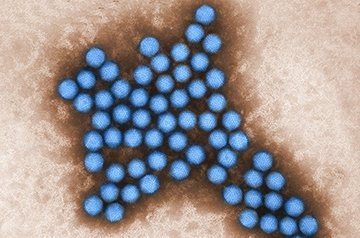
In a groundbreaking development for cancer therapy, oncolytic viruses have demonstrated significant success in a recent phase 3 trial, challenging the historical setbacks faced by this unconventional approach. Irvine, California-based CG Oncology's oncolytic virus, tested on 66 patients with non-responsive bladder cancer, achieved tumor elimination in an impressive 64%. This marks a potential turning point for oncolytic viruses, with the prospect of becoming the second approved therapy in the United States, pending further research.
While the follow-up period was limited to 6 months, the positive phase 3 results have already stirred considerable interest. The success of CG Oncology's adenovirus, equipped with a gene stimulating immune responses in infected cancer cells, may pave the way for regulatory approval and bolster ongoing trials. This success could validate a strategy focused on engaging the immune system to attack tumors, rather than solely targeting malignant cells.
Historically, oncolytic viruses, including modified varieties such as herpes simplex viruses and adenoviruses, faced challenges in clinical trials dating back to 1949. T-VEC, a modified herpes simplex virus, is the only oncolytic virus approved by the FDA for advanced melanoma, highlighting the rarity of successful outcomes. However, lessons learned from past failures, such as the use of weakened viruses and a lack of understanding of their mechanisms, are now driving renewed efforts.
Researchers now recognize that oncolytic viruses primarily activate the immune system rather than directly killing tumor cells. This insight explains past failures, as participants in clinical trials often had compromised immune systems due to prior treatments. The current wave of optimism stems from a more refined understanding of how oncolytic viruses interact with the immune system.
CG Oncology's phase 3 trial targeted bladder cancer that hadn't invaded the muscular wall, offering hope to patients at risk of bladder removal. Preliminary findings, presented by urologic oncologist Mark Tyson of the Mayo Clinic, indicate that 76% of patients showed undetectable tumors at follow-up checkups, with 74% experiencing tumor-free periods lasting at least 6 months.
The success of this trial underscores the potential of oncolytic viruses when strategically applied. As over 90 clinical trials explore various oncolytic viruses, including those combined with immune therapies, chemotherapy, and radiation, the field is witnessing a resurgence of interest. Researchers are optimistic that oncolytic viruses, once deemed safe but ineffective, could now emerge as potent tools in the fight against cancer.
The trial's interim analysis is a promising start, but researchers emphasize the need for continued monitoring over a 3-year period to assess the long-term efficacy of CG Oncology's oncolytic virus. The evolving landscape of cancer therapy is witnessing the potential transformation of oncolytic viruses from historical disappointments to pivotal players in the quest for effective cancer treatments.
More: https://www.science.org/content/article/tumor-killing-viruses-score-rare-success-late-stage-trial