As scientific breakthroughs go, the one announced last March by a team from the University of Rochester was especially eye-opening. Led by physicist/engineer Ranga P. Dias, they reported in an article in Nature the discovery of a room-temperature superconductor — a material that can conduct electricity with no loss of efficiency from friction and no production of heat.
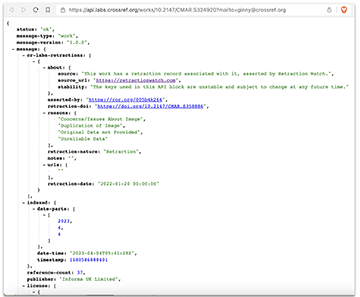
Sadly, those advances still lurk far off in the future. The article that set off a frenzy of speculation and anticipation was retracted by Nature after months of rising doubts about its claims and Dias, its lead author.
Dias didn’t reply to my request for comment. A representative speaking for him told the Rochester Beacon, an independent online publication, that he and two of his 10 co-authors “have not consented to the retraction.” The remaining eight co-authors, however, had requested the retraction. The spokesman for Dias also denied “allegations of research misconduct” and said the physicist “intends to resubmit the scientific paper to a journal with a more independent editorial process.”
Doubts about Dias’ paper continued to rise during the months after its publication, in part because the reported results failed a fundamental test of validity: They could not be replicated by other researchers. Dias also resisted requests for detailed data that would allow others to validate his claims.